

Fat Christian
Does my body disqualify me from faith and leadership?

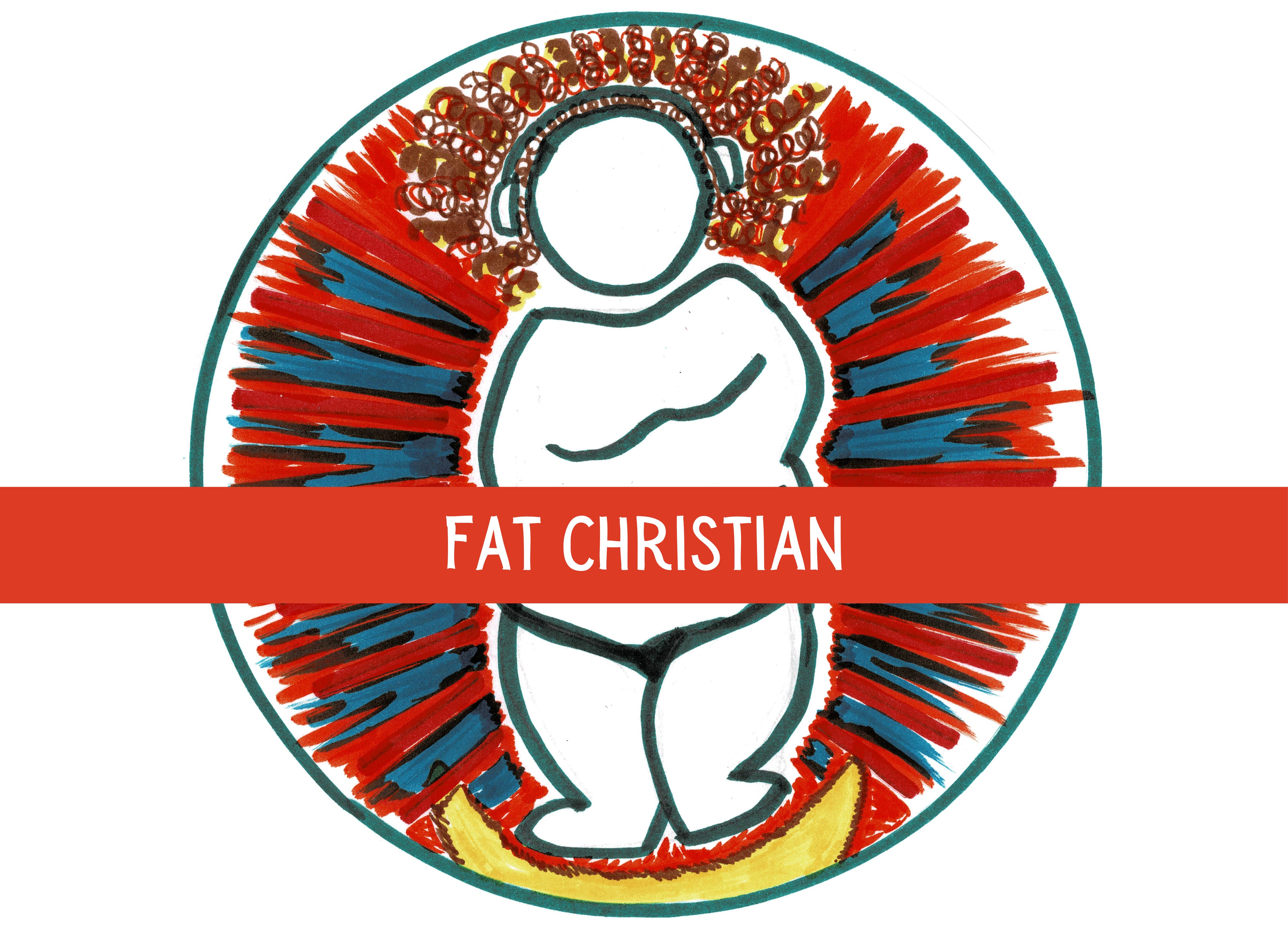
There’s one thing that a Christian woman knows in American Evangelicalism—if she finds herself fat, she will truly carry extra weight. The extra weight comes in the form of shame, blame, and ostracization.
Shame is comprised of the internalized feelings of inadequacy and embarrassment that are women at large (pun intended)—but especially in the Evangelical church—are subject to because of living in a larger body. Internalized feelings of disgust and embarrassment are honestly what a lot of churches thrive on. It’s built into the Evangelical model of the Gospel—you are so screwed up that you need to change everything about you, especially your body.
Blame is made up of the accusations of not being enough while simultaneously being too much, whether that be for romantic love or leadership in the church. It’s absurd to have to type this, but a lot of Christians believe that a fat body is a sign of sin in one’s life. Not because of natural biodiversity, but by actually being wrong due to eating “too much” and not exercising enough. This blame shows up when women (and at times, men) are passed over for leadership positions because of their body size and shape. This blame also shows up when a woman is unable to find romantic love or if her marriage frays.
Ostracization is a tool of the Evangelical church, especially when it comes to unruly bodies, including any deviation from ‘traditional’ teachings. When your pastor frequently makes fat jokes from the pulpit, you are being actively othered. This truly creates a group of second-class citizens, where fat people are not afforded the same rights and privileges as thinner people.
All of these things—shame, blame, and ostracization—are communicated not just subtly or through whispers; no, they are very blatantly articulated and perpetuated within communities of faith.
What can we do as communities of faith to offer justice and mercy to fat people in our anti-fat world?
Consider the four levels of fat liberation (which I articulate more fully in More of You: The Fat Girl’s Field Guide to the Modern World if you’re interested in reading further).
The Four Levels of Fat Liberation
Personal: Challenging internalized anti-fatness, aka your inner critic.
Interpersonal: Challenging anti-fatness from one person to another, whether it be in the form of a fat joke or self-deprecation that spreads to others like wildfire.
Community-based: Challenging the ways that thinner people are celebrated and included. For example: platform body diversity. Cancel that weight-loss Bible study and read J. Nicole Morgan’s Fat and Faithful: Learning to Love Our Bodies, Our Neighbors, and Ourselves or my Lovely: How I Learned to Embrace the Body God Gave Me instead.
Structural: Challenging the systems that perpetuate the status quo. Make sure there are baptism and choir robes and church camp t-shirts for every body in your congregation.
Using these strategies in our own lives and the lives of our loved ones and our beloved communities, we can cut out the blame, shame, and ostracization that too often thrive in our churches.
This is a call to all of us Christians, whether we find ourselves in large or small or medium bodies. Christians are called to live in the upside-down kingdom of God, and fat people are worth so much particularly because they are so oppressed in church and society.
To answer my question in the subtitle—NO, my body does not disqualify me from faith or leadership. In fact, I think my body specially qualifies me for faith and leadership because of something I call fat privilege, which I’ll dive into soon.
Peace and love,
Amanda
Amanda, with respect for your work and your skilled analysis, I find myself curious about how you find a faith home in evangelicalism, if you do? What are the positives, for you?